Emergency Medical Supply Chain Planning: Key Considerations for Organizations
Learn how to build a stronger emergency medical supply chain by planning for demand, suppliers, transport, cold chain, staging, field coordination, and sustained resupply.

What we deliver


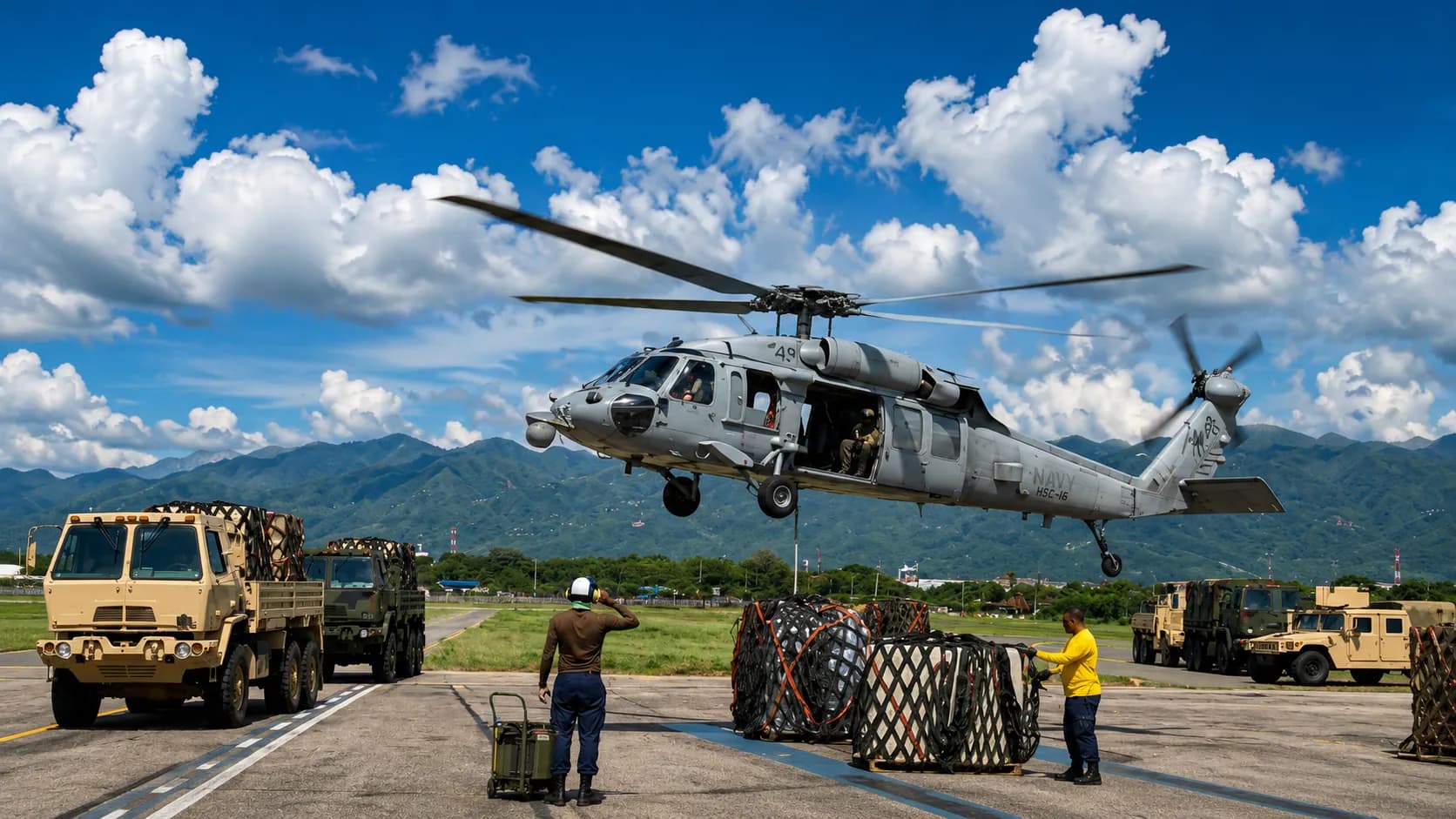
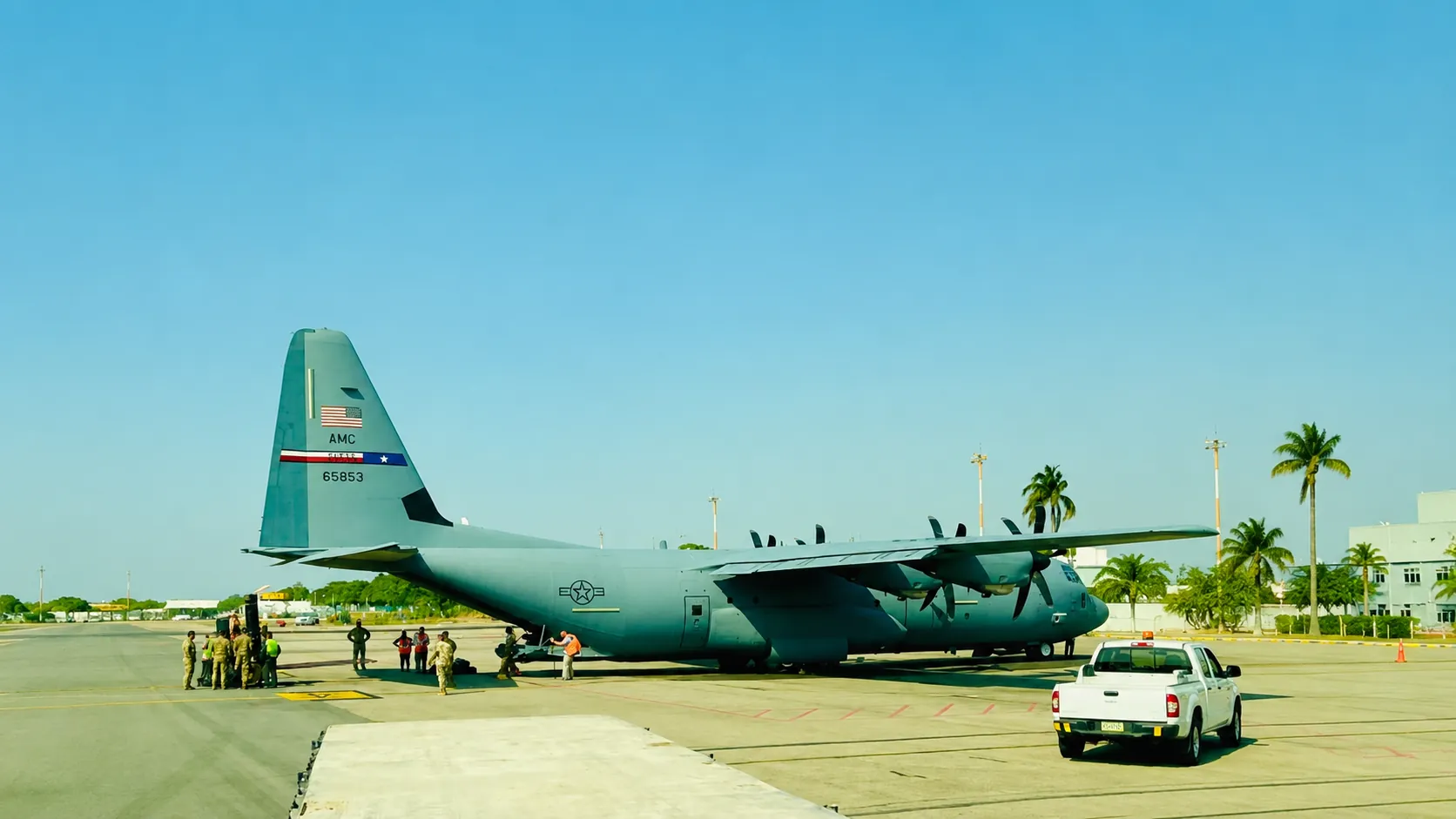
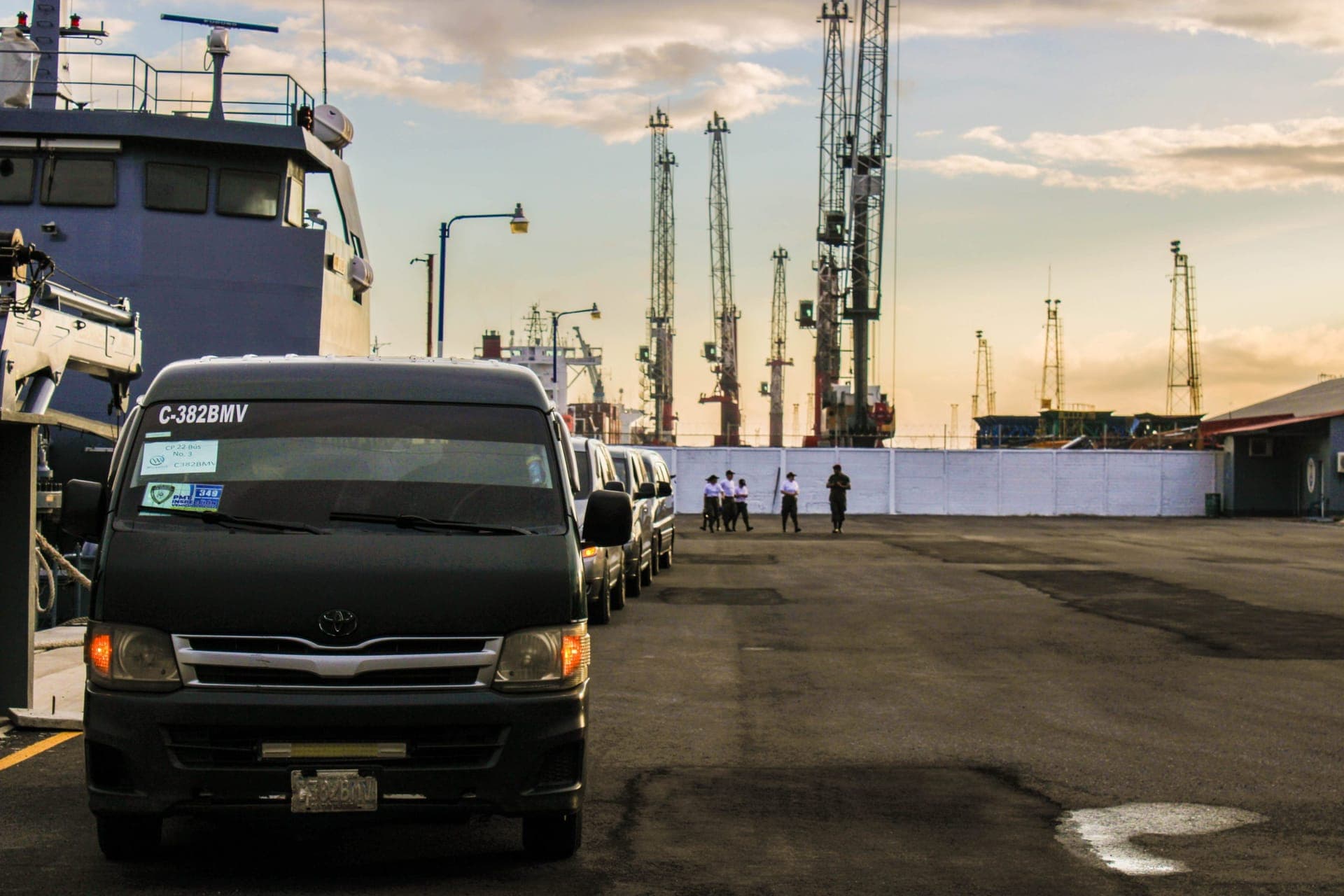
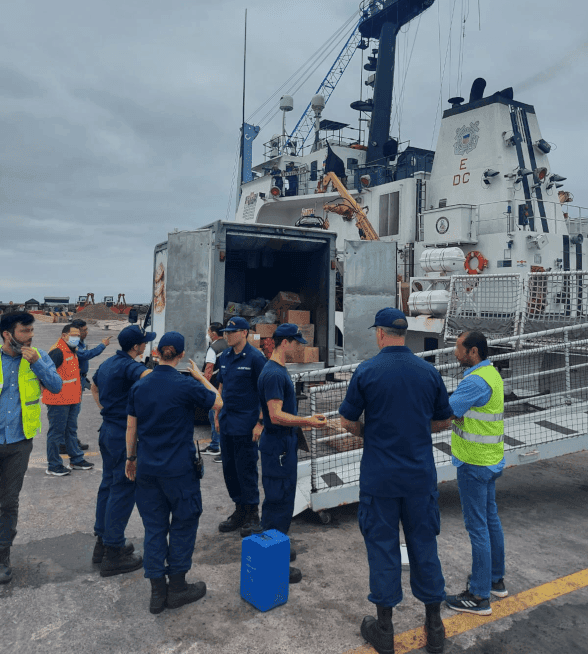
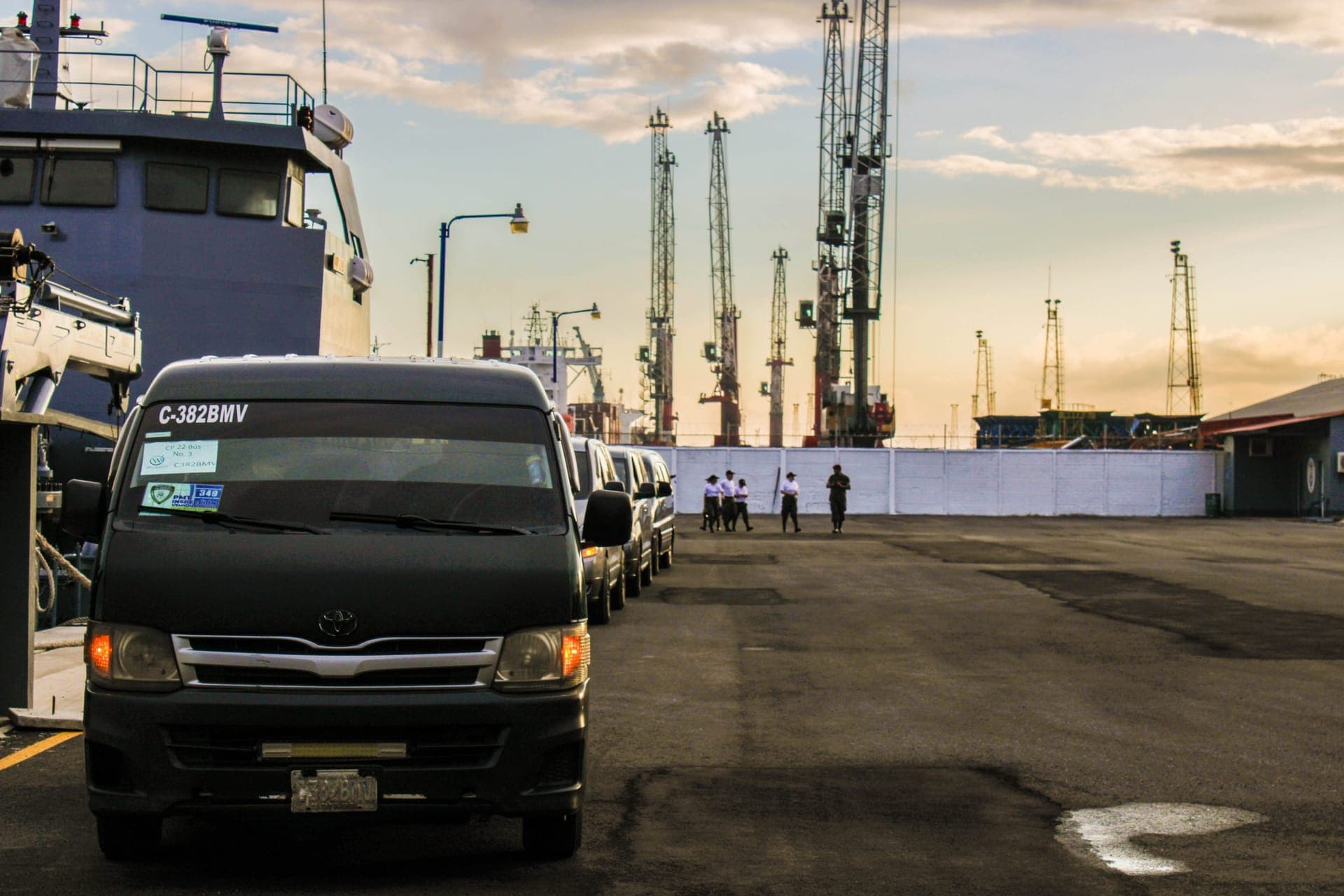
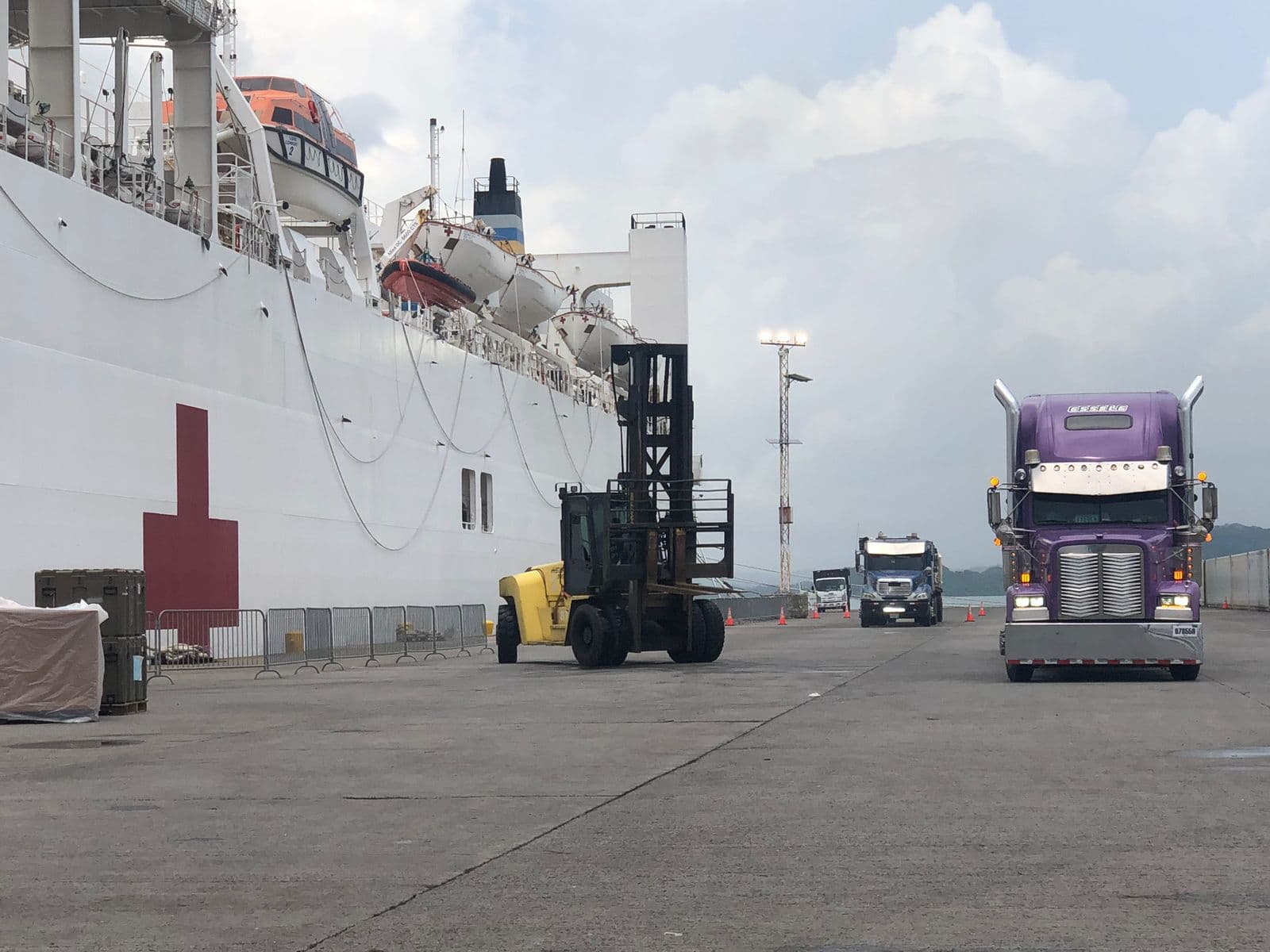
When an outbreak or disaster hits, hours matter. We pre-stage critical supplies, mobilize equipment, and coordinate emergency transport by air, land, and sea to put medical resources on the ground exactly where and when they are needed — even in active crisis zones.

Vaccines, biologics, and temperature-sensitive pharmaceuticals demand an unbroken cold chain from origin to point of care. We manage refrigerated transport, validated packaging, and continuous temperature monitoring so every dose arrives viable, compliant, and ready to use.

Care can't wait for permanent facilities. We deploy field clinics, power generation, water, and life-support systems to stand up functional medical operations in remote and underserved areas, then sustain them with reliable resupply for as long as the mission runs.

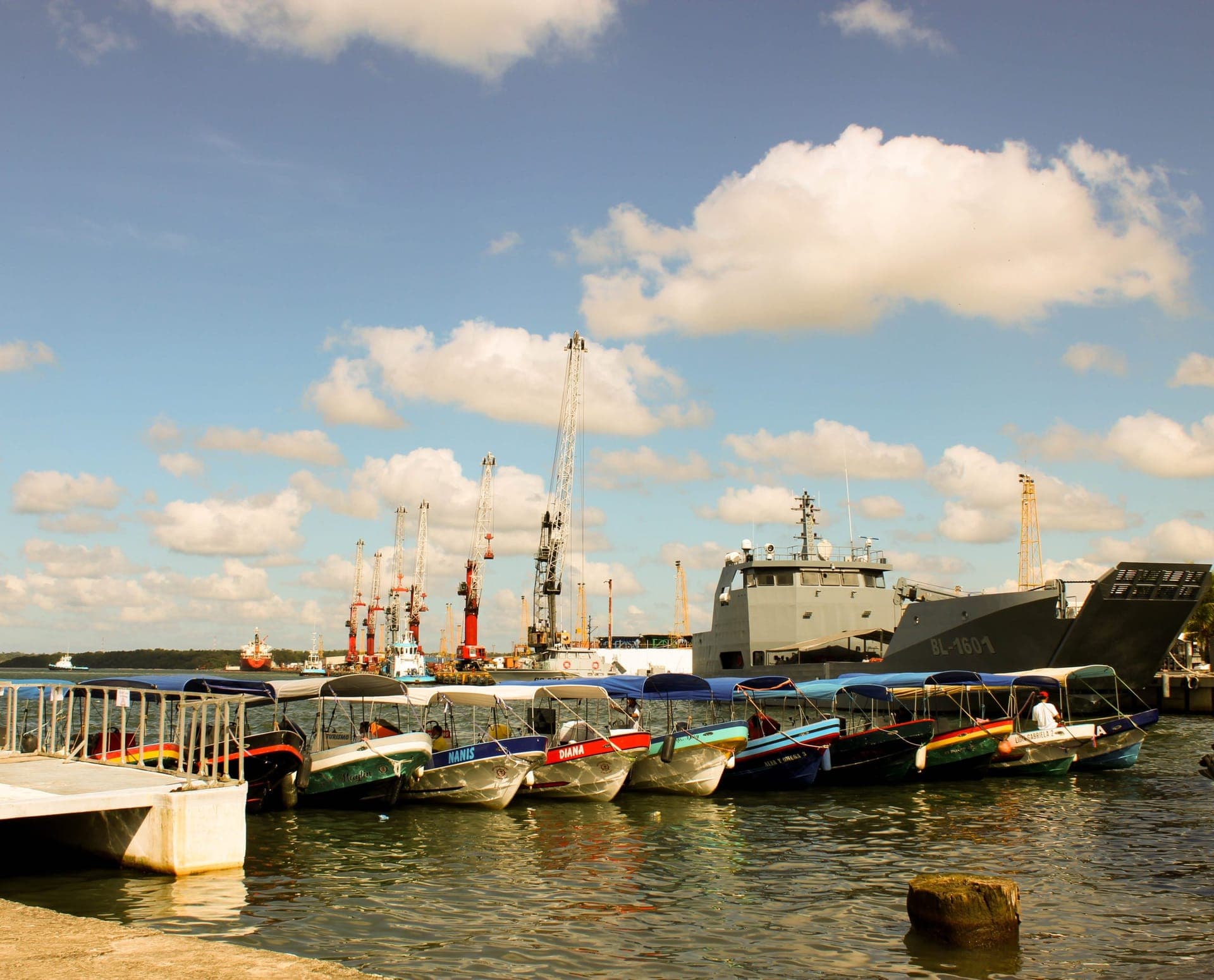
From customs clearance to last-mile delivery, we move medical cargo across borders and into hard-to-reach regions where conventional carriers stop. Our network and field teams keep supply lines open through difficult terrain, complex regulations, and politically sensitive environments.
From our blog

Learn how to build a stronger emergency medical supply chain by planning for demand, suppliers, transport, cold chain, staging, field coordination, and sustained resupply.

Learn how multimodal planning, local coordination, cold-chain controls, and last-mile visibility support medical deliveries to remote areas.

Discover the critical cold chain risks for temperature-sensitive pharmaceuticals and how to protect shipments through validated packaging, monitoring, documentation, and contingency planning.