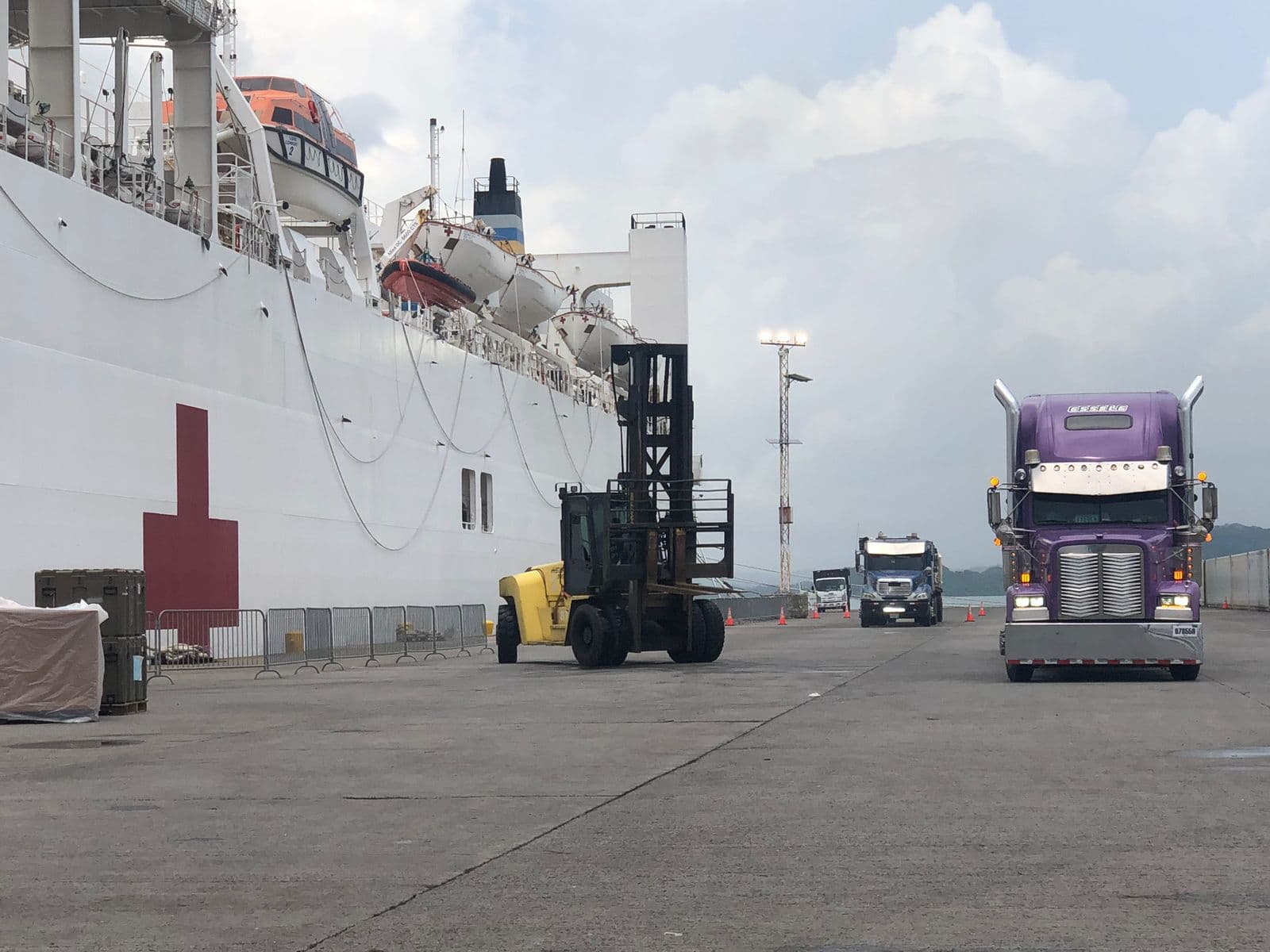
Emergency Medical Supply Chain Planning: Key Considerations for Organizations
During an outbreak, natural disaster, or humanitarian crisis, medical demand can rise as transport networks, utilities, communications, and local suppliers become less reliable. Organizations must make urgent decisions with incomplete information while protecting product quality and directing limited resources to the areas of greatest need.
An emergency medical supply chain plan creates the roles, data, routes, and contingencies needed to act quickly without losing operational control.
Begin With Scenarios, Not a Single Forecast
No plan can predict the exact scale or location of every emergency. It can, however, define plausible scenarios and the capabilities required to respond.
Organizations should consider the affected population, likely health needs, expected duration, condition of local infrastructure, access constraints, and the possibility that demand will change rapidly. Planning ranges are often more useful than one fixed quantity because they allow the response to scale as information improves.
Priority items may include medicines, vaccines, diagnostics, personal protective equipment, consumables, water and sanitation supplies, and equipment needed to establish or sustain care. The list should reflect the mission and guidance from qualified health authorities.
Establish Decision Rights Before the Crisis
Emergency response can slow down when procurement, logistics, quality, security, finance, and field teams do not know who can authorize urgent actions.
The plan should define leadership, approval thresholds, communication channels, escalation paths, and responsibilities across agencies or partners. It should also identify who validates medical requirements, who approves suppliers, who controls inventory allocation, and who can change a route or transport mode.
Contact information and alternates must remain current. A plan that depends on one unavailable decision-maker is not resilient.
Verify Suppliers and Build Alternatives
Demand surges create pressure to purchase quickly, which can increase the risk of unsuitable products, unreliable vendors, or incomplete documentation. Supplier qualification and product verification remain essential during an emergency.
Organizations should identify primary and alternative sources, expected lead times, production constraints, and the documentation required for import and use. Framework agreements can accelerate procurement, but they should be reviewed to confirm that suppliers can perform under disrupted conditions.
Critical items should be assessed for concentration risk. If every source depends on the same factory, port, lane, or raw material, multiple supplier names may not represent true redundancy.
Plan Transport as an End-to-End Network
Emergency movements may use commercial carriers, charter capacity, government assets, or a combination of air, land, and sea. The best option depends on urgency, cargo volume, product requirements, destination access, and current infrastructure.
Planners should map origin points, entry ports, customs processes, staging locations, regional hubs, final destinations, and alternative routes. They should also account for fuel, material-handling equipment, drivers, security, operating permissions, and the availability of receiving teams.
The last mile deserves the same attention as international transport. Cargo that clears a major airport but cannot reach the affected facility has not completed the mission.
Protect Cold-Chain and Other Sensitive Products
Vaccines, biologics, and other temperature-sensitive pharmaceuticals require controlled conditions during storage and transport. Emergency conditions can make those controls harder to maintain because of power failures, delays, limited refrigeration, and repeated handoffs.
The plan should define product-specific requirements, validated packaging, monitoring, backup power, alternate cold storage, intervention procedures, and quality review for excursions. Sensitive equipment and controlled medical items may require additional security and chain-of-custody measures.
These controls should be designed into the route rather than added after cargo is ready to move.
Use Staging and Pre-Positioning Strategically
Pre-positioning can shorten response time when supplies are stored near areas with known exposure to disasters or access constraints. Staging hubs can also receive, inspect, consolidate, and allocate incoming cargo during an active response.
Both approaches require inventory visibility and disciplined management. Stored products must be rotated, inspected, secured, and monitored according to their requirements. Location decisions should balance proximity with the possibility that the hub itself could be affected by the emergency.
Maintain a Common Operating Picture
Response leaders need to know what has been requested, ordered, shipped, received, consumed, and still required. Without that visibility, some locations may receive duplicate supplies while others remain underserved.
A practical information system should connect inventory, shipment status, demand, delivery confirmation, and exceptions. When digital connectivity is weak, the plan should provide simplified offline reporting and clear schedules for field updates.
Performance should be measured against outcomes such as availability at the point of care, delivery time, order completeness, temperature compliance, and unresolved critical shortages—not only the amount of cargo dispatched.
Plan for Sustained Resupply and Recovery
The first wave of supplies receives the most attention, but emergencies can continue for weeks or months. Resupply planning should reflect actual consumption, changing medical priorities, infrastructure recovery, and the transition from urgent delivery to stable operations.
Waypoint provides medical emergency logistics, including pre-staging, multimodal transport, cold-chain distribution, infrastructure support, and delivery into active crisis zones. By planning these capabilities before they are needed, organizations can respond faster while maintaining accountability and product integrity.
FAQs
What should an emergency medical supply chain plan include?
It should address demand scenarios, decision roles, qualified suppliers, procurement, transport, customs, staging, inventory, cold-chain controls, security, last-mile delivery, communications, and sustained resupply.
Is pre-positioning always the best emergency strategy?
Not always. It can reduce response time, but it also requires suitable locations, inventory rotation, security, environmental controls, and protection from the same hazards that could disrupt the target area.
How often should the plan be reviewed?
Organizations should review it regularly and after exercises, actual responses, major supplier changes, route changes, or updates to regulatory and operational conditions.
Operating in Venezuela? Waypoint delivers the logistics.
Expeditionary logistics, secure transport, and field support for complex environments — planned and executed on the ground.