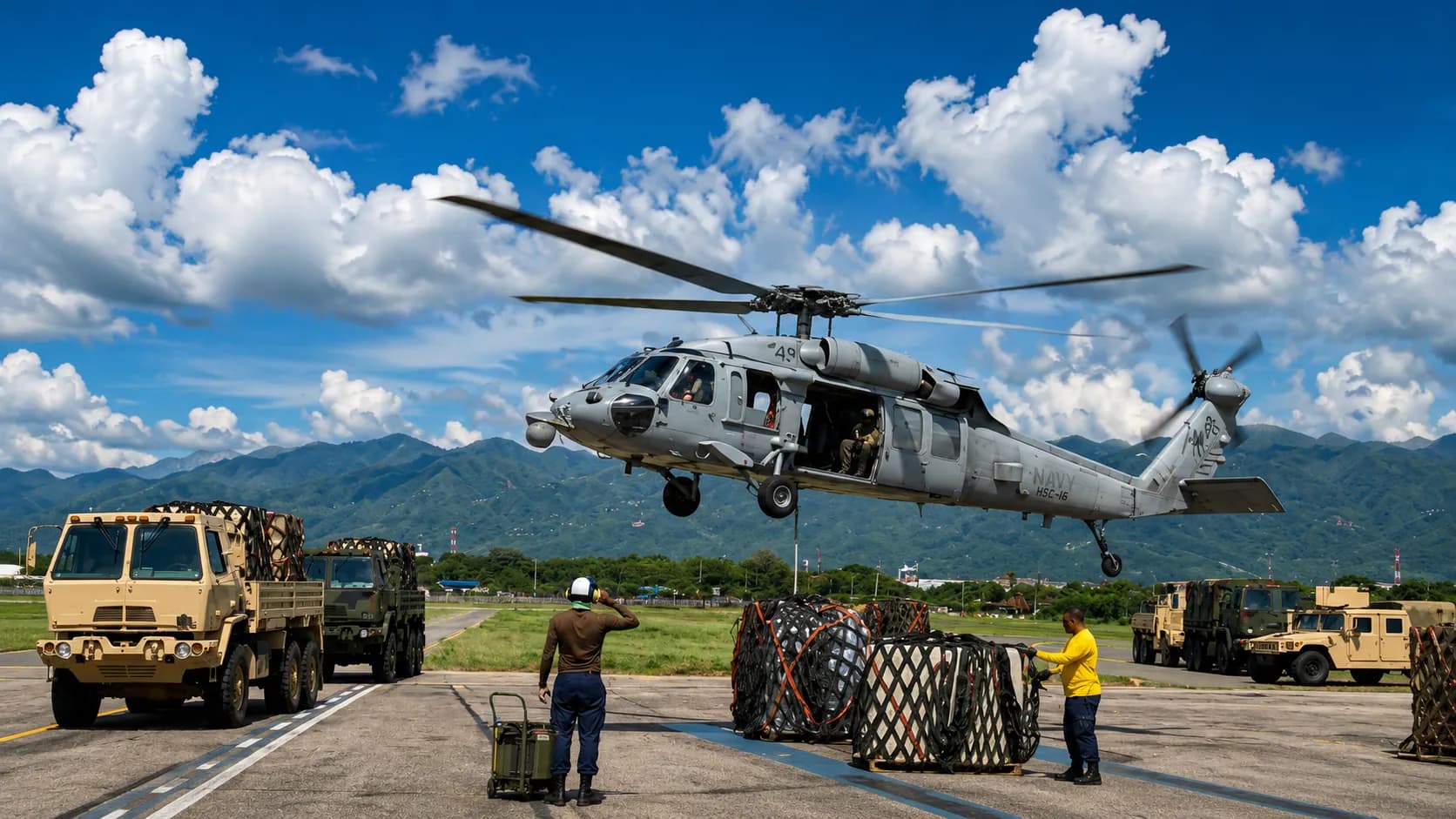
How to Deliver Medical Supplies to Remote & Hard-to-Reach Areas
Delivering medical supplies to a major city and delivering them to a remote clinic are fundamentally different operations. In hard-to-reach areas, the final journey may involve weak transport infrastructure, limited storage, unreliable power, difficult terrain, or rapidly changing security and weather conditions.
The objective is not simply to move cargo closer to the destination. It is to preserve product integrity and place the right supplies into the hands of a prepared receiving team.
Define the Need at the Point of Care
Remote delivery planning should begin with what the health facility or field team actually needs. Product type, quantity, urgency, storage requirements, shelf life, handling restrictions, and consumption patterns all influence the distribution plan.
Sending too little can interrupt care. Sending too much can overwhelm limited storage or create avoidable waste. Packaging should also reflect the realities of the final route. Large freight units may be efficient during international transport but impossible to carry across the last segment.
Accurate destination data is essential. A facility name may not be enough where addresses are informal, maps are incomplete, or access points change with the season.
Build the Route Around Real Infrastructure
Remote medical supply chains often require a combination of air, sea, river, road, and local transport. The fastest international route may not produce the most reliable end-to-end delivery if cargo becomes stranded at a regional hub.
Planners should evaluate ports and airfields, road and bridge conditions, fuel availability, operating hours, weather patterns, security constraints, and the capacity of local vehicles. They should also identify where cargo will be transferred and whether each location can protect it.
In some environments, motorcycles, boats, small aircraft, or other locally appropriate methods may complete the final segment. The mode should be selected according to cargo requirements, local regulations, risk, and mission conditions.
Protect Product Integrity Through Every Transfer
Medical cargo may include fragile devices, sterile products, controlled items, or temperature-sensitive pharmaceuticals. Each category needs appropriate packaging, security, documentation, and handling.
For cold-chain products, the plan must account for the entire journey—not only the refrigerated flight or truck. Temporary storage, customs inspection, cross-docking, and final hand-carry stages can all affect temperature control.
Shipment units should be clearly identified and traceable. When loads are broken down for smaller vehicles, teams must preserve the link between the original shipment, each package, and its final destination.
Prepare the Receiving Location Before Dispatch
Delivery is not complete when cargo reaches the community. The receiving facility needs trained personnel, secure storage, the ability to maintain required conditions, and a process for confirming quantities and condition.
Pre-arrival communication helps verify that the route remains open and the recipient is ready. It also reduces the chance that critical supplies will be left unattended or stored incorrectly because the delivery team arrived unexpectedly.
Where permanent infrastructure is limited, the broader mission may require power generation, water, refrigeration, shelter, or other systems that allow medical operations to function after supplies arrive.
Maintain Visibility Beyond Conventional Carrier Networks
Tracking often becomes less consistent as cargo moves away from major logistics hubs. Reliable field updates, proof of handoff, package-level records, and exception reporting help maintain control where automated scans are unavailable.
Local teams play a central role. They can confirm route conditions, coordinate with communities and authorities, resolve access issues, and communicate changes before a convoy or aircraft is committed.
Contingency plans should identify alternative routes, temporary storage, backup communications, and criteria for pausing a movement when conditions become unsafe.
Design the Supply Line for Continuity
One successful delivery does not create a functioning medical supply chain. Clinics and response teams need replenishment that reflects consumption, lead times, route reliability, and available storage.
Pre-positioning selected supplies closer to areas of need can reduce response time, but inventory must remain visible, secure, and properly managed. Resupply plans should be reviewed as demand, access, and mission conditions change.
Waypoint supports global healthcare mission delivery through customs clearance, multimodal transport, cold-chain distribution, infrastructure support, and last-mile execution in remote and underserved areas. The result is an end-to-end operation designed around the point of care—not merely the nearest transport hub.
FAQs
What makes medical last-mile delivery difficult?
Common challenges include limited infrastructure, changing route conditions, lack of suitable storage, weak communications, security constraints, and the need to protect sensitive cargo.
Which transport mode is best for remote medical deliveries?
There is no universal answer. The appropriate mode depends on urgency, cargo characteristics, distance, terrain, infrastructure, regulations, weather, and local operating conditions.
How can organizations confirm that supplies reached the intended facility?
They can use package-level tracking, documented handoffs, condition and quantity checks, proof of delivery, and direct confirmation from authorized receiving personnel.
Operating in Venezuela? Waypoint delivers the logistics.
Expeditionary logistics, secure transport, and field support for complex environments — planned and executed on the ground.